by Rich Benvin | Apr 17, 2026 | Cancer, Emotional Wellness, Exercise, Healthcare, Lifestyle Medicine, Medication, Mindfulness, Nutrition, Stress
Stop Cancer Before It Starts: The Science of Prevention, Longevity, and Early Action
Most people think about cancer only after a diagnosis.
But one of the most important truths in modern medicine is this:
Many cancers may be preventable before they ever begin.
That is the message behind the “Stop Cancer Before It Starts” series from Order Cancer Drugs — an educational resource focused on prevention, early detection, healthy living, and long-term wellness.
Go to Stop Cancer Before It Starts: The Science of Prevention and Longevity | Order Cancer Drugs
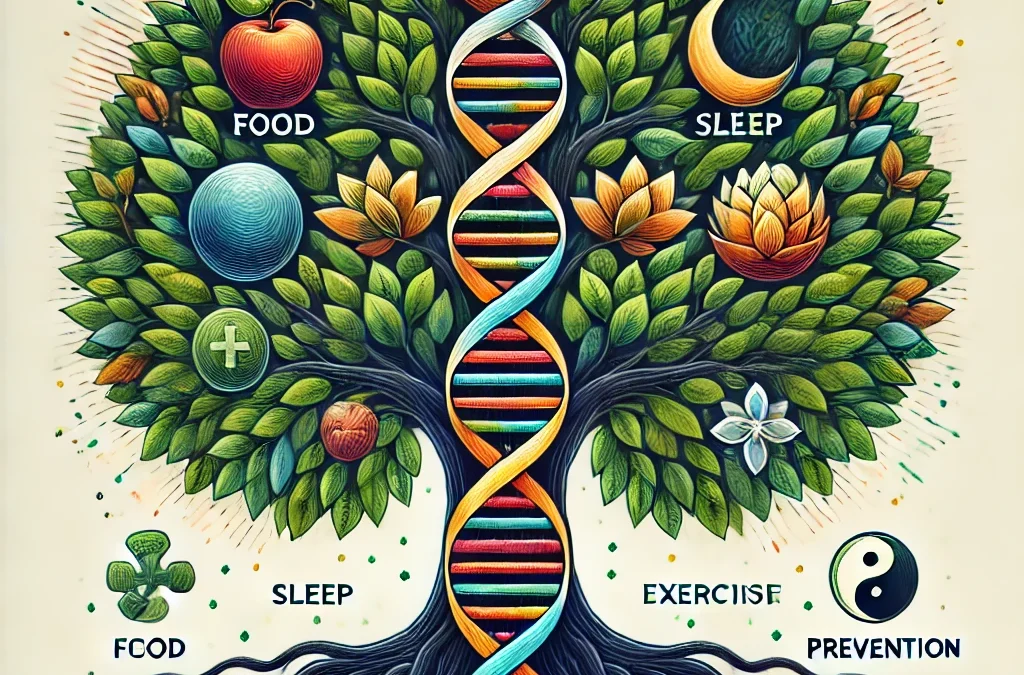
Instead of waiting until symptoms appear, this series encourages readers to take action now by learning about the daily habits, risk factors, screenings, and lifestyle changes that may reduce the chances of developing cancer later in life.
Why Cancer Prevention Matters
Cancer remains one of the leading causes of death worldwide, but experts believe that a significant percentage of cancer cases are linked to lifestyle, environment, and behaviors that people can change.
Smoking, obesity, poor diet, physical inactivity, chronic inflammation, excessive alcohol use, sun exposure, environmental toxins, and unmanaged stress can all increase risk.
On the other hand, improving nutrition, exercising regularly, sleeping better, maintaining a healthy weight, and staying current with screenings may help lower risk substantially.
The truth is that prevention is often easier, less expensive, and more effective than treatment.
The Hidden Factors That Increase Cancer Risk
Many people assume cancer develops suddenly, but in reality, it often builds slowly over years.
Cells become damaged over time due to repeated exposure to unhealthy habits, environmental toxins, poor diet, chronic inflammation, or genetic risk factors.
Some of the biggest contributors to cancer risk include:
- Smoking and tobacco use
- Heavy alcohol consumption
- Obesity and excess body fat
- Lack of exercise
- Poor sleep
- High stress levels
- Diets high in processed foods and sugar
- Chronic inflammation
- Long-term exposure to UV rays
- Environmental toxins and pollution
- Family history and inherited genetic mutations
Many of these factors are within your control.
That does not mean cancer can always be prevented, but it does mean you can improve the odds in your favor.
Chronic Inflammation and Cancer
One of the biggest themes in the Stop Cancer Before It Starts series is the role of chronic inflammation.
Inflammation is part of the body’s natural defense system, but when it becomes chronic, it can quietly damage tissues, weaken the immune system, and create an environment where cancer cells are more likely to grow.
Chronic inflammation has been linked to several types of cancer, including:
- Colon cancer
- Liver cancer
- Stomach cancer
- Pancreatic cancer
- Lung cancer
- Breast cancer
Inflammation can be fueled by smoking, poor diet, obesity, stress, lack of sleep, chronic infections, and exposure to toxins.
Reducing inflammation through healthier habits may help protect the body over time.
The Role of Nutrition in Cancer Prevention
What you eat every day may have a major impact on cancer risk.
Highly processed foods, sugary drinks, excess red meat, and diets low in fruits and vegetables have all been associated with increased health risks.
On the other hand, diets rich in plant foods, fiber, antioxidants, healthy fats, and lean proteins may help support the immune system and reduce inflammation.
Foods often associated with better long-term health include:
- Leafy greens
- Berries
- Cruciferous vegetables like broccoli and cauliflower
- Tomatoes
- Beans and legumes
- Nuts and seeds
- Olive oil
- Fatty fish
- Green tea
- Whole grains
Nutrition is not about perfection.
It is about building a healthier pattern over time.
Exercise, Weight, and Longevity
Exercise is one of the most powerful tools for preventing chronic disease.
Regular movement may help reduce the risk of several cancers, including breast cancer, colon cancer, and endometrial cancer.
Exercise helps by:
- Lowering inflammation
- Improving insulin sensitivity
- Supporting hormone balance
- Strengthening the immune system
- Reducing body fat
- Improving mood and energy
Even moderate exercise like walking, biking, swimming, or strength training a few times per week can make a meaningful difference.
Maintaining a healthy weight is also important because obesity is linked to higher risk for several cancers.
Go to Stop Cancer Before It Starts: The Science of Prevention and Longevity | Order Cancer Drugs
Why Sleep and Stress Matter
Many people underestimate the connection between stress, sleep, and disease.
Poor sleep may disrupt hormones, weaken the immune system, increase inflammation, and make it harder for the body to repair itself.
Chronic stress may contribute to unhealthy behaviors, poor eating habits, weight gain, and higher inflammation.
Improving sleep and reducing stress are important parts of cancer prevention.
Some simple ways to support better sleep and stress management include:
- Going to bed at the same time each night
- Reducing screen time before bed
- Practicing deep breathing or meditation
- Spending time outdoors
- Exercising regularly
- Limiting caffeine late in the day
- Creating quiet time to relax and recover
The Importance of Early Detection and Screenings
Prevention is important, but early detection is just as critical.
Many cancers are far easier to treat when they are caught early.
Routine screenings may help identify cancer before symptoms even appear.
Talk to your doctor about recommended screenings for:
- Breast cancer
- Colon cancer
- Cervical cancer
- Skin cancer
- Lung cancer
- Prostate cancer
People with a family history of cancer or other risk factors may need earlier or more frequent screenings.
Ignoring symptoms or delaying tests can make treatment more difficult later.
Know the Warning Signs
The Stop Cancer Before It Starts series also highlights the importance of paying attention to changes in your body.
Symptoms that should never be ignored include:
- Unexplained weight loss
- Persistent fatigue
- New lumps or swelling
- Changes in bowel habits
- Blood in stool or urine
- Persistent cough or hoarseness
- Skin changes or unusual moles
- Pain that does not go away
- Difficulty swallowing
- Unusual bleeding
Most symptoms do not turn out to be cancer, but it is always better to get checked than to wait.
Affordable Cancer Medication and Treatment Resources
For many families, one of the biggest fears after a diagnosis is the cost of treatment.
Cancer drugs can be extremely expensive, especially for people without strong insurance coverage.
Patients may be able to reduce costs by exploring generic options, comparing international pricing, and looking at pharmacies in Canada, the United States, and other countries.
entity[“company”,”Global Pharmacy Meds”,”international prescription savings platform”] helps patients compare prices on brand-name and generic medications, including cancer-related drugs and supportive therapies.
The platform offers options for patients seeking lower-cost medications and long-term treatment support.
Learn more at https://globalpharmacymeds.to/
Small Changes Today Can Make a Big Difference Tomorrow
The fight against cancer does not begin in the hospital.
It begins in your daily habits.
The foods you eat. The sleep you get. The exercise you do. The screenings you schedule. The choices you make every day.
You do not need to be perfect.
You just need to start.
Even small improvements in nutrition, movement, sleep, stress, and preventive care can add up over time.
Explore the Full Stop Cancer Before It Starts Series
The Stop Cancer Before It Starts series from Order Cancer Drugs provides practical information, prevention tips, and resources to help people make smarter decisions about their health.
Whether you are focused on lowering risk, supporting a loved one, or simply living a longer and healthier life, prevention is one of the most powerful tools you have.
To explore the full series, visit: https://www.ordercancerdrugs.com/stop-cancer-before-it-starts-the-science-of-prevention-and-longevity/

by Rich Benvin | Mar 30, 2026 | Anxiety, Emotional Wellness, Healthcare, Mental Health, Mindfulness, Psychology, Stress
Mental Wellness Today: How to Build Emotional Resilience and Master Your Mind
A Psychologist’s Guide to Mind Over Matter, Stress Management, and Lasting Mental Health in a Fast-Paced World
By Dr. Donna Duffin
Introduction: Why Mental Wellness Matters More Than Ever
We are living in one of the most advanced eras in human history—yet many people feel more overwhelmed, anxious, and mentally fatigued than ever before.
Mental wellness today is not just about managing symptoms. It’s about building a strong, resilient foundation that allows you to navigate uncertainty, process emotions effectively, and maintain clarity in a fast-moving world.
As I often tell my clients:
“Mental wellness isn’t something you wait for—it’s something you actively build through awareness, daily habits, and intentional choices.” — Dr. Donna Duffin
Strengthen your mind, balance your emotions, and take control of your life—one thought at a time.
What Is Mental Wellness, Really?
Mental wellness goes far beyond the absence of anxiety or depression. It is the ability to:
- Maintain emotional balance
- Adapt to stress and challenges
- Think clearly and make aligned decisions
- Feel a sense of purpose and fulfillment
In the Mind Over Matter framework, mental wellness is described as an active, ongoing process—one that allows individuals to thrive, not just survive.
👉 Explore the full guide:
https://www.mentalhealthtopics.com/mind-over-matter-unlocking-the-power-of-mental-wellness/
The Science Behind “Mind Over Matter”
At the core of mental wellness is the brain—constantly processing thoughts, emotions, and experiences.
One of the most powerful concepts in psychology is neuroplasticity, the brain’s ability to change and adapt over time. This means:
- Your thoughts are not fixed
- Your patterns can be rewired
- Your mental state can improve with consistent effort
“The brain is incredibly adaptable. With the right tools and repetition, people can reshape how they think, feel, and respond to life.” — Dr. Donna Duffin
This is the essence of mind over matter—learning how to guide your thoughts instead of being controlled by them.
Common Mental Health Challenges Today
In my clinical experience, the most common struggles I see include:
- Chronic stress and burnout
- Anxiety driven by uncertainty and overthinking
- Depression linked to disconnection or lack of purpose
- Emotional exhaustion from constant stimulation
These challenges are not personal failures—they are natural responses to modern life pressures.
The key is learning how to respond differently.
The Foundation of Mental Wellness
Building mental wellness requires a combination of internal awareness and external habits.
1. Thought Awareness and Reframing
Your thoughts shape your reality. Identifying negative patterns and reframing them is essential.
2. Emotional Intelligence
Understanding and managing your emotions allows for better decisions and healthier relationships.
3. Resilience
Resilience is the ability to adapt, recover, and continue forward despite challenges.
4. Consistent Self-Care
True self-care is proactive—not reactive. It includes sleep, boundaries, and mental recovery.
“Small, consistent actions are far more powerful than occasional bursts of motivation.” — Dr. Donna Duffin
Mind-Body Connection: Supporting Mental Health Holistically
Mental wellness is not just psychological—it is physical as well.
Your body directly impacts your mind through:
- Nutrition
- Exercise
- Sleep
- Hormonal balance
When these areas are neglected, mental clarity and emotional stability often decline.
For those managing chronic conditions or requiring ongoing medications, access to affordable prescriptions can play a role in overall well-being.
👉 Learn more about affordable medication options:
https://globalpharmacymeds.to/
Global Pharmacy Meds provides access to a wide range of prescription medications through a global network—helping individuals manage health conditions that may impact both physical and mental wellness.
Everyday Practices for Mental Clarity
 Mental wellness is built daily through simple, consistent habits:
- Mindfulness and meditation to reduce stress
- Breathing techniques to calm the nervous system
- Regular movement to improve mood and energy
- Structured routines to reduce overwhelm
- Goal-setting to create direction and motivation
👉 Dive deeper into these strategies:
https://www.mentalhealthtopics.com/mind-over-matter-unlocking-the-power-of-mental-wellness/
Unlock the full potential of your mind with Mind Over Matter: Unlocking the Power of Mental Wellness—a practical, empowering guide designed to help you build emotional resilience, reduce stress, and gain greater clarity in your daily life. By understanding how your thoughts shape your emotions and behavior, you can begin to take control of your mental landscape and create lasting, meaningful change.
This guide goes beyond theory, offering simple, actionable strategies you can apply immediately—from reframing negative thinking to strengthening your mindset and developing healthier habits. Whether you’re navigating stress, seeking balance, or striving for personal growth, Mind Over Matter provides the tools to help you move forward with confidence and purpose.
The Role of Relationships and Support
Humans are wired for connection.
Healthy relationships:
- Reduce stress
- Improve emotional stability
- Provide support during difficult times
At the same time, learning to set boundaries and protect your energy is equally important.
And when needed, seeking professional support can be transformative.
“You don’t have to navigate everything alone. Support is not a weakness—it’s a powerful step toward growth.” — Dr. Donna Duffin
Taking the First Step Toward Change
One of the biggest misconceptions about mental wellness is that change has to be dramatic.
In reality, it starts small:
- One new thought
- One new habit
- One moment of awareness
Over time, these small shifts create lasting transformation.
Conclusion: The Power Is Within You
Mental wellness is not reserved for a select few—it is available to anyone willing to engage in the process.
You have the ability to:
- Reshape your thoughts
- Strengthen your emotional resilience
- Build a more balanced, fulfilling life
It doesn’t happen overnight—but it does happen with intention.
“The goal isn’t perfection. It’s progress, awareness, and the courage to keep moving forward.” — Dr. Donna Duffin
Continue Your Mental Wellness Journey
👉 Read the full Mind Over Matter guide:
https://www.mentalhealthtopics.com/mind-over-matter-unlocking-the-power-of-mental-wellness/
👉 Visit Dr. Donna Duffin:
https://drdonnaduffin.com
👉 Explore more mental health resources:
https://www.mentalhealthtopics.com/
👉 Access affordable medications:
https://globalpharmacymeds.to/
About the Author: Dr. Donna Duffin
 Dr. Donna Duffin is a licensed clinical psychologist with extensive experience helping individuals and couples overcome anxiety, depression, trauma, infertility challenges, and relationship difficulties.
Her approach combines evidence-based therapies like Cognitive-Behavioral Therapy (CBT) with mindfulness, emotional awareness, and practical life strategies to support lasting transformation. Known for her compassionate and personalized style, Dr. Duffin focuses on helping clients understand their patterns, build resilience, and regain a sense of clarity and control in their lives.
Beyond her clinical practice, Dr. Duffin is passionate about making mental health knowledge accessible and actionable. Through her work on Mental Health Topics, she shares insights, tools, and educational resources to help individuals take an active role in their mental wellness journey.
👉 Learn more: https://drdonnaduffin.com
👉 Explore mental wellness resources: https://www.mentalhealthtopics.com/
Disclaimer
This article is for informational and educational purposes only and is not a substitute for professional medical or mental health advice, diagnosis, or treatment. Always consult a qualified healthcare provider or licensed mental health professional regarding your health.

by Rich Benvin | Feb 7, 2026 | Healthcare, Mail Order Pharmacy, Medication, Prescription Drugs
What Medications Are Discounted Through TrumpRx?
TrumpRx lists a selection of brand-name prescription drugs with cash-discount pricing arranged through new federal pricing agreements. These are generally brand-name, high-cost medications that often have limited competition — meaning they’re usually expensive under normal U.S. pricing models.
🩺 Common Discounted Drugs on TrumpRx
At launch, TrumpRx included discounts on a range of medications across popular therapeutic areas, including:
🧠 GLP-1 Weight-Loss and Diabetes Medications
These drugs have been among the most talked-about due to high retail costs:
🦠 Fertility Medications
🫀 Cardiometabolic / Chronic Disease Drugs
Note: The list changes over time as new deals are added and pricing updates. Users can check TrumpRx directly for the latest full list.
🧠 How TrumpRx Pricing Works
TrumpRx does not function as a pharmacy — it doesn’t sell medications directly. Instead, it works like a price-finder + discount portal:
🔍 Step-by-Step: How to Use TrumpRx
-
Visit TrumpRx.gov
-
See Cash Discount Pricing
-
Click through to Buy
-
No Insurance Required
-
You can use these discounted prices even if you don’t have insurance
-
For insured patients, sometimes using this cash price may not count toward your insurance deductible
💼 Important Notes
-
Participation varies by drugmaker and pharmacy
-
Prices can differ by location and dosage
-
Insurance vs. cash prices may still vary on a case-by-case basis
💡 Examples of Drugs Often Found Through TrumpRx
Here are common categories and examples where prices have been reported as discounted:
| Category |
Examples |
| GLP-1 Medications |
Wegovy®, Ozempic®, Rybelsus® |
| Fertility Drugs |
Injectable gonadotropins |
| Chronic Disease |
Selected medications for heart/metabolic conditions |
| Other Specialized Brand-Name Prescriptions |
High-cost drugs with limited generic alternatives |
These are examples — actual availability changes.
🧠 TrumpRx vs. Other Discount Tools
TrumpRx joins a wider ecosystem of drug pricing tools such as:
Key difference:
TrumpRx pricing is based on government-negotiated deals designed to match the lowest prices globally, not just marketplace coupons.
🧾 Tips for Using TrumpRx Effectively
✅ Compare prices across tools
Don’t assume TrumpRx is always lowest — check GoodRx and SingleCare too.
✅ Check cost with insurance
Sometimes insurance copays are lower than cash discounts.
✅ Check with your pharmacy
Confirm they honor the pricing or provide a printed coupon if needed.
✅ Watch the list over time
New drugs and updated pricing are regularly added.
📍 Summary
TrumpRx is a federal drug pricing portal that:
-
Lists brand-name medication prices based on new pricing agreements
-
Helps consumers — especially cash-paying ones — find lower prices
-
Includes high-cost drugs like GLP-1 medications, fertility treatments, and chronic disease therapies
While not every drug will be cheaper than all alternatives, TrumpRx adds a new transparent pricing resource you can use along with other discount tools to save on prescriptions.
Top 10 Prescription Medications — TrumpRx vs International Pharmacy Prices
| Medication |
Purpose |
TrumpRx Price (approx.) |
GlobalPharmacyMeds.to Intl Price (approx.) |
Notes |
| Ozempic (Semaglutide) |
Diabetes / Weight loss |
~$300–$350/mo |
~$150–$280/mo |
Int’l prices usually lower due to pricing differences |
| Wegovy (Semaglutide) |
Weight loss |
~$300–$400/mo |
~$160–$300/mo |
Similar trend: Int’l cheaper |
| Rybelsus (Oral Semaglutide) |
Oral GLP-1 diabetes drug |
~$300–$350/mo |
~$170–$290/mo |
Int’l typically lower |
| Humira (Adalimumab) |
Autoimmune conditions |
~$900–$1,200/mo |
~$450–$900/mo |
Internationally discounted biosimilars help |
| Enbrel (Etanercept) |
Rheumatoid arthritis |
~$800–$1,000/mo |
~$400–$850/mo |
International pharmacies often offer lower |
| Januvia (Sitagliptin) |
Type 2 diabetes |
~$300–$350/mo |
~$120–$260/mo |
Int’l generics often significantly cheaper |
| Eliquis (Apixaban) |
Blood thinner |
~$450–$550/mo |
~$150–$350/mo |
Big discount potential internationally |
| Xarelto (Rivaroxaban) |
Blood thinner |
~$450–$550/mo |
~$140–$330/mo |
Similar pattern, Int’l typically cheaper |
| Lyrica (Pregabalin) |
Neuropathic pain |
~$300–$350/mo |
~$100–$260/mo |
Int’l pricing often 50–70% lower |
| Ventolin (Albuterol inhaler) |
Asthma relief |
~$100–$130 each |
~$40–$80 each |
Distinct product type but still cheaper Int’l |
📊 What This Comparison Reveals
🧠 1. International Prices Are Often Lower
International pharmacy prices tend to be lower than TrumpRx discounted prices, especially for drugs with widely available generics or strong global competition.
This trend is especially significant for:
-
Chronic medications (e.g., blood thinners, diabetes drugs)
-
Pain and nerve medications
-
Autoimmune biologics (sometimes via biosimilars)
💊 2. TrumpRx Discounts Are Valuable on Brand Names
TrumpRx provides official U.S. discount pricing negotiated by the federal government — but these prices often reflect U.S. brand-name pricing standards.
That means:
-
Discounted prices may still be higher than international alternatives
-
TrumpRx pricing is predictable and legal within U.S. pharmacies
-
Not all drugs are listed on TrumpRx (only selected high-cost brand meds)
💸 3. International Pharmacy Deals Can Save More
International pharmacy pricing (like GlobalPharmacyMeds.to) often reflects:
-
Lower regulatory pricing in countries like Canada, UK, Europe, India
-
Lower manufacturer pricing due to government controls
-
Broader lists of medications, including many generics
This can result in:
✔ 30–70% savings vs typical U.S. retail
✔ 10–50% savings vs TrumpRx discounted prices
✔ Lower total cost even after international shipping
📌 Important Considerations Before Using International Pharmacy Services
✅ Safety and Legitimacy
-
Always confirm that the pharmacy you order from is licensed and reputable
-
Many international pharmacies require a valid prescription
-
Some countries don’t allow certain meds to be shipped internationally
🔒 Legal Regulations
In the U.S., importing prescription drugs is technically restricted — but personal use exceptions often apply if you follow rules and have a prescription.
Always verify legality and pharmacy legitimacy before ordering.
🩺 With Insurance vs Without
International cash prices often beat U.S. cash discounts. But if you have insurance:
So compare:
Insurance cost vs TrumpRx + coupons vs Int’l pricing
🧠 Summary: TrumpRx vs GlobalPharmacyMeds.to
| Category |
Best Option |
| U.S. domestic, predictable discounts |
TrumpRx |
| Lowest possible price on generics |
International Pharmacy |
| No shipping and easy local pickup |
TrumpRx |
| Brand name drugs with limited competition |
Sometimes TrumpRx |
| Broader drug list and generics included |
International Pharmacy |

by Rich Benvin | Nov 19, 2025 | Healthcare, Mail Order Pharmacy, Medication, Prescription Drugs
How to Save 70% or More on Your Monthly Prescriptions Without Insurance
Prescription drug prices in the United States are rising faster than ever — and if you don’t have insurance (or your plan doesn’t cover your medication), the cost can feel overwhelming. The good news? You don’t have to pay full price. With the right strategies, discounts, and pharmacy options, it’s completely possible to save 70% or more on most common medications.
Here’s your complete guide to slashing prescription costs without sacrificing quality or safety.
1. Compare Prices Before You Buy Anything
Pharmacies can charge dramatically different prices for the exact same medication.
A single drug might cost:
Use price comparison tools or check multiple pharmacy websites to see which offers the best deal. You’ll be shocked at the differences.
Pro tip:
Brand-name prices vary wildly, but generic drugs are consistently affordable.
2. Switch to Generic Versions Whenever Possible
Generics contain the same active ingredients as brand-name medications and must meet the same FDA standards. They can be 70–90% cheaper.
Ask your doctor or pharmacist:
Even if the brand-name drug has no generic, a similar medication in the same class may exist at a fraction of the price.
3. Order from Verified International Pharmacies
Countries like Canada, the UK, Australia, and India tightly regulate drug prices. As a result, medications often cost 50–80% less than in the U.S.
When using an international pharmacy, make sure it is:
✔ Licensed
✔ Verified
✔ Requires a valid prescription
✔ Has transparent contact information
Patients regularly save hundreds of dollars per month by using safe, verified international pharmacies.
4. Use Prescription Discount Programs
Programs like GoodRx, SingleCare, and pharmacy-specific discount cards can lower prices by up to 70% — sometimes even more for generics.
These discounts usually:
-
Work even if you don’t have insurance
-
Can be cheaper than your insurance copay
-
Are accepted at major retail pharmacies
Always check discount card prices before paying cash.
5. Ask Your Doctor About Lower-Cost Alternatives
Most people don’t realize this, but doctors often prescribe the “default” brand even when a cheaper option exists. Ask directly:
-
“Is there a cheaper drug in the same class?”
-
“Can I take a lower-cost generic alternative?”
-
“Is there a similar medication that works just as well but costs less?”
Doctors want to help — but you have to ask.
6. Buy in Bulk When It Makes Sense
Many pharmacies offer better pricing when you purchase:
-
90-day supplies
-
Larger quantities
-
Generic medication packs
A 90-day refill can cost 30–50% less per pill than buying monthly.
7. Check Cash Prices — They Are Often Lower Than Insurance
This surprises many people:
Insurance sometimes raises the price of your medication.
Ask your pharmacy for the cash price.
Then compare it with:
-
Discount card prices
-
Generic alternatives
-
Online pharmacies
-
International sources
You might save big.
8. Explore Patient Assistance Programs
If you take a higher-cost brand-name drug with no generic, the manufacturer may offer:
Most people qualify and don’t even know these programs exist.
9. Use Online Pharmacies for Extra Convenience & Savings
Online pharmacies often have lower overhead costs and can pass those savings to consumers. Many offer:
Always use a verified pharmacy.
10. Know When a Medication Is Unnecessarily Expensive
Some drugs are overpriced simply because they are new or branded. Ask your doctor if you can switch temporarily to a more affordable option or wait until a generic is available.
Final Thoughts: You Don’t Have to Pay Full Price
With the right strategy, you can easily save 70% or more on most prescriptions — even without insurance. Start by comparing prices, switching to generics, and exploring trusted international pharmacy options. Every dollar saved is a step toward better health and financial security.
Stop Overpaying for Your Medications — There’s a Better Way
 Say hello to Global Pharmacy Meds, your trusted source for affordable, pharmacy-grade medications delivered straight to your door.
Why people love us:
✔ Real prescription savings
✔ Licensed international pharmacies
✔ Safe, reliable, and discreet delivery
✔ Brand-name & generic options at honest prices
Don’t let high U.S. pharmacy costs drain your budget.
Discover smarter, safer, more affordable access to the medications you need.
✨ Explore trusted low-cost prescriptions today ➜ https://globalpharmacymeds.to/
Your health deserves transparency. Your wallet deserves relief.

by Rich Benvin | Oct 14, 2025 | Breathing, Detox, Healthcare, Integrative Medicine, Lifestyle Medicine, Mail Order Pharmacy, Respiratory Health, Save Your Lungs
Integrative Medicine & Modern Therapies — Combining Traditional Wisdom with Scientific Innovation for Lung Health
Breathe to Heal: How Nutrition and Lifestyle Can Save Your Lungs
“The future of medicine is not either-or — it’s everything that works.”
For decades, medicine has divided itself into camps: Western vs. Eastern, scientific vs. holistic, pharmaceutical vs. natural.
But the lungs don’t care about ideology — they respond to balance.
Integrative medicine brings together the best of both worlds.
It uses evidence-based therapies from modern science and time-tested healing practices from ancient traditions to restore harmony to the body’s natural systems.
For those with chronic respiratory challenges — asthma, COPD, post-viral inflammation, or long COVID — this blended approach can offer something extraordinary: not just symptom relief, but renewal.
🫁 1. The Functional Medicine View of Lung Health
Functional medicine looks for root causes, not just symptoms.
Rather than treating coughing or shortness of breath in isolation, it asks:
-
What’s triggering the inflammation?
-
Is the gut microbiome affecting immune response?
-
Is the body overloaded with toxins, allergens, or stress hormones?
By identifying the upstream factors — from nutrient deficiencies to environmental triggers — functional medicine helps patients achieve lasting recovery rather than temporary relief.
Core principles include:
-
Restoring balance to the gut-lung axis
-
Reducing inflammation through nutrition and lifestyle
-
Optimizing mitochondrial function for oxygen efficiency
-
Supporting detoxification and immune resilience
🌿 2. Traditional Herbal Medicine for Respiratory Healing
For centuries, herbal medicine has offered natural remedies for breathing difficulties — long before inhalers or antibiotics existed.
Many of these ancient herbs are now validated by modern research.
🌱 Top Herbal Allies for the Lungs:
| Herb |
Traditional Use |
Modern Science Insight |
| Mullein (Verbascum thapsus) |
Soothes dry coughs, clears mucus |
Contains saponins that help expel phlegm and reduce airway irritation |
| Licorice Root (Glycyrrhiza glabra) |
Anti-inflammatory, adrenal support |
Inhibits lung inflammation and protects against oxidative stress (Phytomedicine, 2023) |
| Lobelia (Indian Tobacco) |
Opens airways, eases asthma |
Contains lobeline — acts as a natural bronchodilator |
| Elecampane (Inula helenium) |
Treats chronic bronchitis and infections |
Contains alantolactone, which has antibacterial and expectorant effects |
| Nettle Leaf (Urtica dioica) |
Antihistamine, anti-allergy |
Reduces histamine response and supports immune modulation |
| Thyme & Oregano |
Antimicrobial and antiviral |
Rich in thymol and carvacrol — natural compounds that fight respiratory pathogens |
How to use:
These herbs can be taken as teas, tinctures, capsules, or in steam inhalations.
Always consult a practitioner if you’re on prescription medications, as some herbs may interact with pharmaceuticals.
🔬 3. Nutraceuticals and Supplements for Modern Lungs
Beyond herbs, many natural compounds are now backed by strong clinical evidence for respiratory support:
-
N-Acetylcysteine (NAC): Boosts glutathione, thins mucus, reduces oxidative stress.
-
Quercetin: Natural antihistamine that stabilizes mast cells and lowers inflammation.
-
Vitamin D3 + K2: Supports immune modulation and calcium balance in lung tissue.
-
Magnesium Glycinate: Relaxes bronchial muscles and improves airflow.
-
CoQ10 + Alpha-Lipoic Acid: Enhance mitochondrial energy for breathing efficiency.
-
Omega-3 Fatty Acids: Anti-inflammatory and vascular support for oxygen delivery.
Science says:
A Johns Hopkins (2023) review found that combining omega-3s, NAC, and vitamin D reduced COPD flare-ups by 35% and improved lung function scores significantly compared to medication alone.
🩸 4. Acupuncture and Traditional Chinese Medicine (TCM)
In Traditional Chinese Medicine, the lungs are known as the “delicate organ” — the interface between the external and internal worlds.
They’re associated with grief, immunity, and vitality.
Acupuncture aims to restore “Qi” (energy) flow through the lung meridians, reducing inflammation and improving oxygenation.
TCM Lung-Boosting Points:
-
LU-1 (Zhongfu): Opens the chest and clears congestion.
-
LU-9 (Taiyuan): Strengthens respiratory function and immunity.
-
ST-36 (Zusanli): Improves energy and digestion (gut-lung axis).
Evidence:
A Cochrane Review (2022) found that acupuncture reduced coughing and improved airflow in chronic bronchitis patients — particularly when combined with lifestyle interventions.
🌬️ 5. Oxygen and Light Therapies
Modern integrative clinics now use oxygen-based therapies and photobiomodulation to repair cellular damage in the lungs.
💨 Hyperbaric Oxygen Therapy (HBOT):
Patients breathe 100% oxygen in a pressurized chamber, delivering up to 10x more oxygen to tissues.
Benefits: Enhances healing after infection, reduces inflammation, promotes stem cell activity.
🔴 Red Light / Near-Infrared Therapy:
Penetrates skin and muscle to stimulate mitochondrial ATP production and reduce oxidative stress in lung tissue.
Science: Lasers in Medical Science (2024) found red light therapy improved oxygen saturation and lung recovery after COVID-related injury.
💧 Hydrogen Inhalation Therapy:
A new frontier in respiratory care — inhaling hydrogen gas (H₂) to neutralize oxidative radicals and calm inflammation.
Studies in Antioxidants (2023) show measurable improvements in COPD symptoms and endurance.
🌡️ 6. Breathing Devices and Biofeedback Tools
Technology is turning respiratory therapy into a home practice.
Top tools:
-
Spirometry apps — Track lung capacity and progress.
-
PEP devices (Positive Expiratory Pressure) — Strengthen lung muscles.
-
Biofeedback trainers — Help you visualize breath control and CO₂ balance.
-
Salt inhalers — Simulate halotherapy (salt therapy) to reduce mucus.
Using these tools for even 10 minutes daily can retrain breathing mechanics and improve oxygen utilization.
🧘 7. Mind-Body Healing: The Emotional Connection
In both Eastern and modern psychophysiology, the lungs are linked to emotion and grief.
Prolonged sadness, trauma, or anxiety can manifest physically as shallow breathing or tightness in the chest.
Integrative practices for emotional lung healing:
-
Breath-focused meditation for nervous system reset
-
Yoga and Qi Gong for restoring balance and energy flow
-
Sound therapy / humming exercises to activate the vagus nerve
-
Bodywork and somatic release for stored tension
Science continues to show that breath-centered mindfulness reduces anxiety, improves lung performance, and lowers systemic inflammation.
🧬 8. The Integrative Healing Model: A Holistic Blueprint
True respiratory healing happens when all dimensions — body, mind, nutrition, and environment — are aligned.
| Domain |
Modern Approach |
Holistic Complement |
| Nutrition |
Anti-inflammatory, antioxidant diet |
Ayurvedic herbs, lung-healing teas |
| Therapy |
Inhalers, medications |
Acupuncture, yoga, breathwork |
| Technology |
Oxygen therapy, air purifiers |
Nature walks, fresh air immersion |
| Mind |
Cognitive-behavioral therapy |
Meditation, emotional release practices |
Integration doesn’t replace medicine — it enhances it.
It transforms treatment from reaction to prevention, from survival to vitality.
🌈 9. The Future of Respiratory Medicine
The frontier of lung care is rapidly evolving.
Scientists are exploring stem-cell therapies, AI-guided respiratory diagnostics, and nanotechnology-based oxygen carriers that mimic natural red blood cells.
Yet, the most powerful innovations often return us to simplicity — the breath, the body, and balance.
As technology advances, it’s clear: the most sustainable medicine is one that restores our connection to nature and ourselves.
🌅 10. A New Paradigm of Healing
Imagine a world where hospitals prescribe meditation, nutrition plans, and fresh air therapy alongside inhalers and antibiotics.
Where breathwork is as routine as brushing your teeth, and preventive care is the foundation of medicine.
That’s not fantasy — it’s the direction healthcare is heading.
You are not a passive patient. You are an active participant in your healing.
Your lungs don’t just need medicine — they need meaning.
🔑 Key Takeaway
Integrative medicine unites the precision of modern science with the wisdom of ancient healing.
By combining herbs, nutrients, oxygen therapy, and mindfulness, you give your lungs the best of both worlds — natural resilience and scientific power.


by Rich Benvin | Oct 14, 2025 | Breathing, Healthcare, Lung Health, Prescription Drugs, Respiratory Health, Save Your Lungs
Chapter 2: The Silent Crisis — Why Lung Disease Is Rising Worldwide
Breathe to Heal: How Nutrition and Lifestyle Can Save Your Lungs
The world is breathing harder.
From the smog-filled streets of Delhi to wildfire-choked skies in California, and from post-COVID fatigue in millions of homes to children wheezing through springtime allergies, we are living through a quiet epidemic — one that creeps into our lives with every breath.
Respiratory illness is now one of the top three causes of death worldwide, yet it receives a fraction of the attention that cancer or heart disease commands.
Unlike a heart attack, lung damage doesn’t always make headlines — it develops in whispers, over years of exposure, inflammation, and neglect.
This is the silent crisis of our time, and it’s affecting every generation.
🌍 A Global Snapshot of Declining Lung Health
According to the World Health Organization, over 545 million people currently live with a chronic respiratory disease.
-
COPD (Chronic Obstructive Pulmonary Disease) alone kills 3.2 million people each year.
-
Asthma affects 262 million people, many of them children.
-
Pneumonia remains the leading infectious cause of death for children under five.
These numbers are not slowing down — they’re accelerating.
And what’s even more concerning: respiratory issues are rising in younger, healthier populations who don’t smoke or have known medical risks.
What’s happening to our lungs? The answer lies in the way modern life has changed the air we breathe, the food we eat, and the way we live.
🏙️ 1. The Airborne Burden — Pollution and Particulates
Our lungs evolved to handle dust, pollen, and natural microbes — not microplastics, chemical fumes, or PM2.5 pollution.
The air quality crisis is now one of the leading environmental causes of death.
-
The World Bank estimates that air pollution costs the global economy over $8 trillion per year in healthcare and lost productivity.
-
PM2.5 particles, microscopic pollutants smaller than a red blood cell, penetrate deep into the lungs and bloodstream, causing inflammation that leads to asthma, COPD, and even heart disease.
-
In many major cities, breathing the air for one day is equivalent to smoking several cigarettes.
Even indoors, the air is far from safe. Household cleaners, synthetic fragrances, cooking oils, and mold release volatile organic compounds (VOCs) that quietly erode respiratory health.
This invisible assault is cumulative. Every breath counts — and so does every pollutant.
🍔 2. The Inflammation Diet — How Modern Food Fuels Lung Damage
Our lungs are deeply affected by what we eat. The connection between diet and respiratory health is one of medicine’s most overlooked frontiers.
The Western diet — heavy in sugar, refined oils, processed meats, and dairy — fuels systemic inflammation, which spreads to the delicate tissues of the lungs.
A 2023 study in The American Journal of Respiratory and Critical Care Medicine found that people who consumed high-sugar, low-antioxidant diets had 30% lower lung capacity than those who ate diets rich in fruits, vegetables, and omega-3 fats.
These inflammatory foods lead to oxidative stress, a buildup of harmful molecules that damage cellular structures in the respiratory tract.
Meanwhile, nutrient deficiencies — particularly vitamin D, magnesium, and zinc — weaken the immune system, leaving the lungs more vulnerable to infections and environmental toxins.
In short:
Our food can either stoke the fire of inflammation or cool it down.
Most modern diets are fanning the flames.
🧬 3. The Immune Overload — Autoimmunity and Viral Aftershocks
After decades of relative stability, we’re now seeing a rise in autoimmune and post-viral respiratory conditions.
COVID-19 reshaped the landscape of lung health — leaving behind millions of people struggling with long-term shortness of breath, fatigue, and inflammation long after the infection cleared.
These post-viral syndromes are partly caused by immune dysregulation: the body’s defense system becomes overactive and starts attacking its own tissues.
Similarly, autoimmune diseases like sarcoidosis, lupus, and rheumatoid arthritis often involve inflammatory reactions in the lungs.
The common denominator? A hyper-reactive immune system fueled by chronic stress, poor diet, and environmental exposure.
Our immune defenses are no longer at ease — they’re at war, often with ourselves.
🏠 4. The Indoor Generation — How Lifestyle Constricts the Lungs
We spend an average of 90% of our time indoors, often sitting for long periods in poorly ventilated spaces.
This combination — stagnant air, shallow breathing, and inactivity — weakens respiratory muscles and reduces lung elasticity.
Posture plays a major role.
When we hunch over screens, our diaphragm becomes compressed, and breathing shifts from the belly to the chest.
Over time, this leads to reduced oxygen exchange and reinforces a subtle sense of fatigue and anxiety.
Studies from the Cleveland Clinic show that sedentary lifestyles are directly linked to lower lung capacity, even in non-smokers.
The modern body is literally folding in on itself — and our breath is collapsing with it.
💊 5. The Chemical Cloud — From Cleaning Agents to Fragrances
Ironically, the very products marketed as “freshening” our environment often pollute it the most.
Household cleaners, air fresheners, scented candles, and even personal care items release volatile organic compounds (VOCs) that can irritate and inflame the respiratory tract.
Exposure to these substances can trigger headaches, coughing, wheezing, and, in sensitive individuals, chronic asthma-like symptoms.
A 2024 Environmental Health Perspectives review concluded that prolonged exposure to household VOCs increases the risk of developing asthma by up to 37%.
The average home now contains over 500 different synthetic chemicals, many untested for long-term respiratory safety.
The lungs, constantly filtering 10,000 liters of air daily, bear the brunt of this hidden chemical storm.
🧘 6. The Stress Epidemic — When Anxiety Steals Your Breath
There’s a reason we say, “Take a deep breath.”
Stress instantly changes how we breathe — shortening our inhalations and speeding up our exhalations.
This chronic tension keeps the body in a state of fight-or-flight, which elevates inflammation and tightens the respiratory muscles.
Over time, people under continuous stress may unconsciously adopt rapid, shallow breathing patterns that mirror anxiety itself.
Psychologists now call this the “stress-breath cycle” — a self-reinforcing loop where emotional strain alters breathing, and disordered breathing fuels more emotional strain.
Chronic stress doesn’t just affect the mind — it literally constricts the breath of life.
🌡️ 7. The Climate Factor — When the Planet Can’t Breathe Either
Global warming isn’t only a political or environmental issue — it’s a public health emergency.
Rising temperatures increase pollen seasons, wildfire frequency, and ozone levels, all of which aggravate respiratory symptoms.
Each degree of warming worsens air quality, increasing hospital admissions for asthma and COPD.
A Lancet Planetary Health study predicts that by 2050, climate-related respiratory illness will surpass malnutrition as a cause of early death in many regions.
When the planet struggles to breathe, so do we.
💬 A Crisis Hidden in Plain Sight
What makes this epidemic so insidious is that it rarely announces itself.
A cough here. A bit of shortness of breath there.
Most people adapt, ignoring the signs until a crisis forces them to pay attention.
We have normalized poor breathing and declining lung function — much like we’ve normalized fatigue, stress, and fast food.
The silent crisis of lung health is not just medical — it’s cultural.
It reflects the modern disconnection between how we live and what keeps us alive.
🌱 The Good News: It’s Reversible
The lungs are extraordinary healers. Within weeks of improving air quality, diet, and breathing patterns, measurable improvements occur in oxygen levels and inflammation markers.
New alveoli can form. Inflammation can subside. Breath capacity can expand.
Your body is constantly renewing itself — including your lungs.
The key lies in changing the internal and external environments that shape how they function.
In the chapters ahead, we’ll explore how to do just that — through nutrition, detoxification, movement, and conscious breathwork.
The air outside may be beyond your control.
But the air inside your body — that’s where your power begins.
🔑 Key Takeaway
The modern respiratory crisis is driven by pollution, diet, lifestyle, and stress — but it’s not irreversible. By addressing the root causes, you can transform your breath and your health.